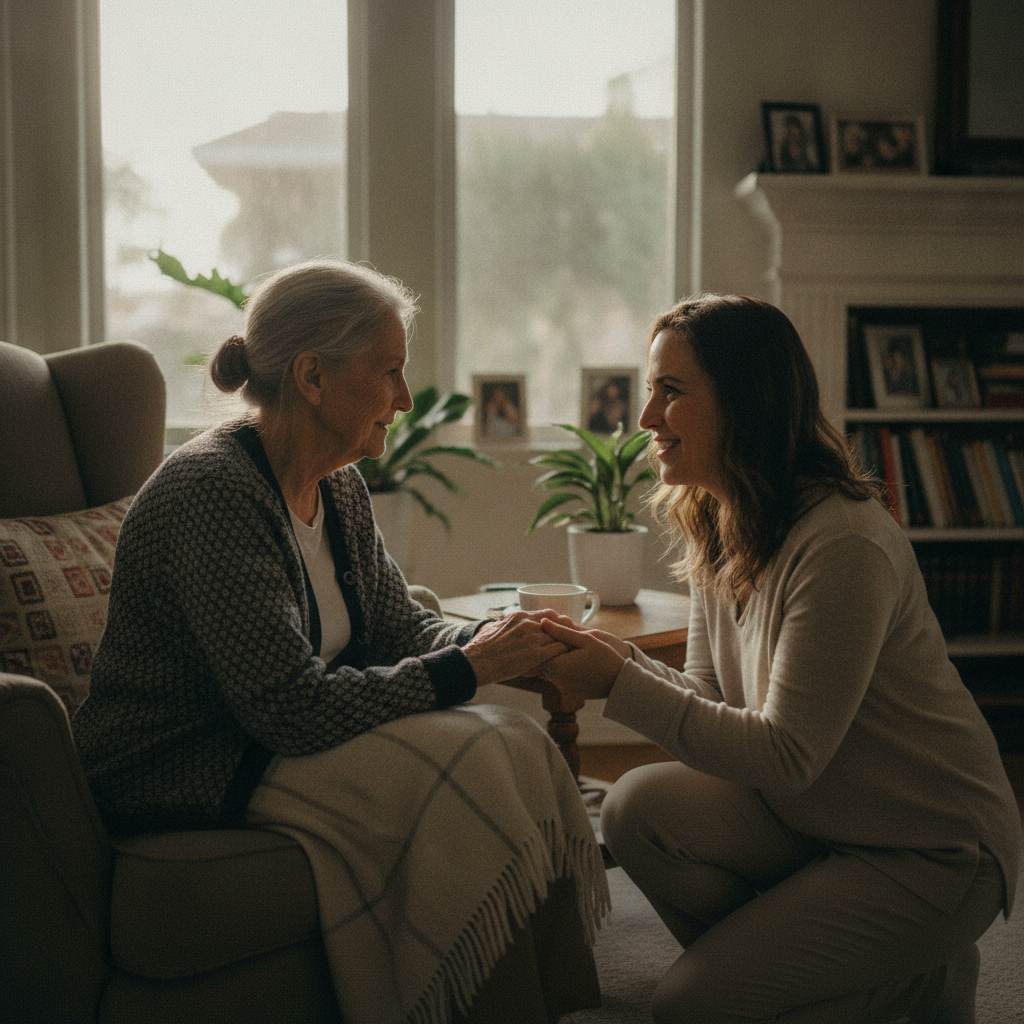
Watching your parent age comes with mixed emotions—pride in their independence, concern about their safety, and sometimes confusion about when it’s time to ask for help. Many adult children notice subtle changes first: a missed doctor’s appointment, an unopened utility bill, a pile of unwashed dishes in the sink. These moments can be hard to acknowledge, but they’re often the first signs your parent may need home care. According to AARP’s 2025 Caregiving in the U.S. report, roughly 1 in 4 American adults are already providing unpaid care to a family member, and many didn’t recognize the need until a health crisis forced their hand. Understanding the signs early—and knowing your options—can help you act before a fall, hospitalization, or emergency makes the decision for you.
What Are the Early Warning Signs?
Your parent doesn’t need to have a formal diagnosis to benefit from home care. Sometimes the most important signals are the small daily changes you notice over weeks or months. These signs tell you that daily activities are becoming harder to manage alone, and that support could prevent injury, isolation, or a decline in health.
Missed medications are one of the earliest red flags. If your parent has a heart condition, diabetes, or high blood pressure, skipping doses—even by accident—can lead to serious complications. You might notice empty pill bottles in the trash, or your parent can’t remember whether they took their morning medication. Confusion about pills is incredibly common among older adults; a caregiver can set up a simple medication reminder system or distribute pills into a weekly organizer.
Household neglect develops gradually. Unwashed dishes pile up in the sink. Laundry accumulates in corners. Mail—including bills and medical statements—sits unopened. The trash overflows. While this isn’t always a sign of depression or cognitive decline, it often is. An older adult who once kept a spotless home but has stopped caring about cleanliness may be struggling physically (arthritis making dishes painful), mentally (depression), or cognitively (forgetting tasks entirely).
Frequent falls or balance problems are a serious concern. If your parent mentions tripping on the carpet, losing balance in the shower, or bumping into walls, don’t dismiss it as clumsiness. Falls are the leading cause of nonfatal injuries and accidental deaths among older adults. A caregiver can remove hazards, assist with bathing and mobility, and be present to help prevent falls.
Weight loss or skipped meals suggest your parent isn’t eating enough. Maybe cooking has become too tiring, they’ve lost interest in food after the loss of a spouse, or they forget to eat. Malnutrition accelerates decline and weakens the immune system. Someone who prepares meals, shops, and reminds your parent to eat can reverse this trend quickly.
Social isolation and withdrawal are equally important. If your parent stops going to their book club, seeing friends, or attending church, depression often follows. Isolation compounds other health problems and increases the risk of cognitive decline. A companion caregiver provides meaningful interaction, transportation to activities, and sometimes the gentle push a lonely senior needs to stay engaged.
Hygiene decline—not bathing, wearing the same clothes for days, or neglecting dental care—can signal physical limitations (trouble reaching the shower), depression, or early dementia. Your parent might feel cold and not want to get undressed, or they might simply forget it’s been three days.
Confusion about dates, bills, or appointments warrants a conversation with their doctor. While occasional forgetfulness is normal, confusion about basic facts, getting lost in familiar places, or repeatedly asking the same question may indicate early cognitive changes.
Who Benefits Most from In-Home Care?
Home care isn’t reserved for people with a formal dementia diagnosis or recent surgery. It’s valuable for anyone who wants to stay in their home safely but needs help with daily tasks. Some seniors thrive with a few hours of care per week; others need round-the-clock support.
Seniors with dementia or Alzheimer’s disease benefit tremendously from in-home care because they can stay in a familiar environment where they feel calm and oriented. A trained caregiver can provide structure, remind them of appointments, prepare meals, and prevent wandering—all while allowing them to age in place with dignity.
Those recovering from surgery or hospitalization often need temporary care: help with wound care, moving around the house, light cooking, and transportation to follow-up appointments. Many families arrange in-home care for a few weeks post-discharge, which significantly reduces hospital readmission rates.
Seniors with chronic conditions like Parkinson’s, stroke recovery, or advanced arthritis struggle with the physical tasks we take for granted—bathing, dressing, cooking, cleaning. A caregiver handles these challenges, which helps your parent focus on physical therapy, doctor’s appointments, and wellness.
Those at high risk of falling need someone present during high-risk activities: getting out of bed, showering, using the toilet, and moving around the home. A caregiver can install grab bars, remove tripping hazards, and be there if something goes wrong.
Seniors who live alone may simply need someone checking in daily, preparing meals, managing medications, and handling appointments. Many choose a few hours of care a few times per week—enough to feel safe and supported without losing independence.
Those who want to remain independent at home can do exactly that with the right support. In-home care enables seniors to avoid assisted living facilities or nursing homes and maintain control over their daily routine, their home, and their choices.
Services That Address Each Warning Sign
Once you recognize the signs, understanding what services exist makes it easier to have a conversation with your parent. Senior Home Care Givers 247 provides comprehensive care tailored to individual needs. Here’s how specific services address the warning signs you’ve noticed:
- Medication reminders and management — If your parent is missing doses or getting confused about pills, a caregiver can organize medications into a weekly dispenser, remind them when it’s time to take each dose, and track what they’ve taken. This simple service prevents medication errors that lead to hospitalizations.
- Meal preparation and nutrition support — Addresses weight loss and poor eating. A caregiver plans balanced meals based on dietary restrictions, shops for groceries, cooks, and ensures your parent actually eats. This restores energy, maintains muscle mass, and often improves mood.
- Companion care and social engagement — Combats isolation and depression. A caregiver provides conversation, plays games, watches movies together, helps with hobbies, and provides transportation to appointments or activities your parent enjoys.
- Personal care assistance — Helps with bathing, dressing, grooming, and bathroom use. For seniors who’ve become self-conscious about needing help, a professional caregiver provides dignity and respect while ensuring hygiene and health.
- Housekeeping and light cleaning — Tackles the unwashed dishes, laundry piles, and cluttered home. A clean, organized living space reduces fall risk and helps your parent feel less overwhelmed.
- Transportation assistance — Ensures your parent makes it to doctor’s appointments, pharmacy visits, and social activities. Many seniors stop going places because they can’t drive safely anymore; a caregiver solves this problem.
- 24-hour monitoring and fall prevention — For higher-risk seniors, having a caregiver present overnight or available by phone provides peace of mind. If a fall happens, help arrives immediately instead of your parent lying helpless for hours.
- Dementia and memory care — Specialized support for seniors with cognitive decline, including reality orientation, structured routines, and behavior management techniques that reduce agitation and confusion.

How to Have the Conversation With Your Parent
Talking about home care can feel awkward, even emotionally charged. Your parent might feel defensive (“I don’t need help”), scared (“Am I losing my independence?”), or sad (“I’m getting old”). Approach the conversation with empathy, patience, and respect for their autonomy.
Choose the right time and place. Don’t bring this up when they’re tired, stressed, or right after a fall or health scare when emotions are raw. Have the conversation in a calm moment, perhaps over coffee or a meal. Make sure there are no distractions and that you both have time to talk.
Frame it around staying independent, not dependency. Instead of “You need help because you can’t do things anymore,” try “I want to make sure you can stay in your home and do the things you love. Home care can help with the harder tasks so you have more energy for what matters to you.” Most seniors fear loss of control; emphasize that home care actually preserves their independence by keeping them safe at home.
Be specific about what you’ve noticed. Point to concrete examples: “I’ve noticed you seem tired and stressed about cooking dinner. What if someone prepared meals a few times a week so you didn’t have to worry about that?” Specific observations are less threatening than vague concerns about “needing help.”
Include your parent in the decision. Ask what tasks are hardest for them, what they’d most appreciate help with, and what kinds of arrangements might work for their personality and schedule. If they feel they’re choosing the care, not having it imposed, they’re more likely to accept and benefit from it.
Suggest a trial period. “Let’s try having someone help with house cleaning for a month and see how that feels. If you hate it, we’ll stop. If it works, we can continue.” A trial removes the pressure of a permanent commitment and often helps your parent realize how much better they feel with support.
Involve their doctor. If your parent respects their physician’s opinion, ask the doctor to mention home care as part of their health plan. Coming from a trusted medical professional often carries more weight than advice from an adult child.
Be patient with resistance. Your parent may say no several times before yes. Don’t interpret this as rejection; accept that they’re processing a big life change. Keep the door open and revisit the conversation after a few weeks or months.
Los Angeles Neighborhoods We Serve
Senior Home Care Givers 247 proudly serves older adults throughout greater Los Angeles, including West LA and surrounding communities. Wherever your parent lives in the LA area, we’re committed to providing compassionate, professional in-home care that keeps them safe, healthy, and connected to their community.
Our service areas include West LA, Santa Monica, Beverly Hills, Westwood, Brentwood, Pacific Palisades, Studio City, Burbank, Manhattan Beach, Venice, Marina del Rey, Mar Vista, Culver City, Century City, and Bel Air. Whether your parent is in a high-rise apartment in Westwood or a single-family home in West LA, we can arrange care that works with their lifestyle. To learn more about our coverage and availability in your neighborhood, visit our areas we serve page.
We understand Los Angeles neighborhoods intimately—the traffic patterns, the local doctors, the community centers, and the senior-friendly resources in each area. This local knowledge helps us provide care that’s not just competent but deeply connected to your parent’s life and community.
Cost & Payment Options
Understanding the financial side of in-home care is essential. Costs vary based on the level of care needed, the hours required, and your location. In Los Angeles in 2026, private-pay in-home care typically ranges from $35 to $45 per hour, depending on the caregiver’s experience and the type of care provided.
If your parent has saved for long-term care, private pay is straightforward—you pay directly to the agency, which handles all employee taxes, insurance, and liability. This is the most common arrangement for seniors with resources and no government benefits.
Many seniors have long-term care insurance that covers home care costs. If your parent has a policy, review the benefits; many cover 50–80% of in-home care costs up to a daily or monthly limit. Check the policy details and contact the insurance company to confirm what home care services they cover.
Veterans and their surviving spouses may qualify for VA Aid & Attendance benefits, which can cover in-home care costs. If your parent served in the military, this can be a significant source of funding—sometimes $1,800 or more per month.
Medi-Cal recipients may qualify for In-Home Supportive Services (IHSS), a state program that pays for care services. IHSS is means-tested and primarily covers custodial care (help with bathing, dressing, cooking), not skilled nursing. If your parent qualifies, IHSS can cover many of the services we provide.
Medicare has strict limitations. Medicare Part A covers skilled nursing and therapy for a limited time after hospitalization (up to 100 days in a skilled nursing facility). It does not cover custodial in-home care or companion care. Many families mistakenly assume Medicare will pay for home care and are surprised when it doesn’t. For details on Medicare coverage, visit CMS.gov.
Don’t let cost concerns prevent you from exploring options. Call Senior Home Care Givers 247 at (310) 269-1206 for a free consultation about your parent’s needs and financial situation. We work with many payment options and can help you navigate benefits eligibility.
Why Choose Senior Home Care Givers 247
When you’re looking for in-home care for your parent, you want to know your loved one is in safe, capable hands. Here’s what sets Senior Home Care Givers 247 apart:
Licensed and fully compliant. All our operations meet California Health & Safety Code §1569 requirements for in-home supportive services. We follow strict protocols for hiring, training, and ongoing supervision.
Insured, bonded, and background-checked. Every caregiver is insured and bonded, with thorough background checks and reference verification. You don’t have to worry about liability or security; we handle everything.
CPR-certified and trained. All caregivers are current on CPR and first aid certification and trained in proper body mechanics, infection control, and elder care best practices. They’re not just kind; they’re skilled.
24/7 availability. Whether your parent needs care in the morning, evening, overnight, or around the clock, we can arrange it. We never leave your parent in a lurch if a caregiver needs to cancel.
Medicare and Medicaid accepted. We work directly with Medicare and Medicaid, making the billing and verification process simple. You don’t have to navigate the bureaucracy alone.
Free in-home assessment. We visit your parent’s home, understand their unique needs, and develop a personalized care plan—all at no charge. You get a clear picture of what care looks like before you commit.
Fast start. In many cases, we can begin providing care within days, not weeks. If your parent needs help urgently, we’re ready to respond.
For a free consultation and to schedule an in-home assessment in West LA or anywhere in our service area, call (310) 269-1206 or visit our contact page.
Frequently Asked Questions
Q: How do I know if my parent is ready for home care?
You don’t need a specific diagnosis or threshold. If you’re noticing that daily tasks are becoming harder, if you’re worried about their safety, or if they mention struggling with cooking, cleaning, or self-care, home care is worth exploring. Many families wait too long, hoping the situation will improve on its own. A free assessment from Senior Home Care Givers 247 can help you decide what level of care—if any—would benefit your parent.
Q: Can my parent refuse home care if I think they need it?
Yes, unless your parent is under a court-ordered conservatorship or lacks capacity to make medical decisions. If you believe they’re unsafe but they refuse help, focus on building trust and understanding their concerns. Sometimes offering a trial period or a lower level of care (companion care only, for example) helps them feel more comfortable. If there’s genuine danger, discuss it with their doctor, who may be able to persuade them.
Q: Will a home care caregiver clean the whole house?
Home care includes light housekeeping—dishes, laundry, tidying—but not deep cleaning. A caregiver keeps the home safe and livable, which prevents clutter, reduces fall risk, and maintains hygiene. If you need professional housekeeping (carpet shampooing, window washing, garage organization), that’s a separate service you can arrange. We can recommend cleaners, and many of our clients use both home care and periodic professional cleaning.
Q: What happens if my parent and the caregiver don’t get along?
We work hard to match caregivers and clients based on personality, interests, and needs. If there’s a personality clash or your parent simply doesn’t click with the caregiver, let us know immediately and we’ll arrange a different caregiver. Finding the right fit sometimes takes a try or two, but once you find it, the difference in your parent’s mood and willingness to accept help is huge. We prioritize this match.
Q: How much does in-home care cost in West LA and Los Angeles?
In-home care in Los Angeles typically costs $35–$45 per hour for private-pay clients, depending on the caregiver’s experience and the type of care. Many seniors use a combination of private pay, insurance benefits, VA benefits, or Medi-Cal to cover costs. During your free assessment, we discuss payment options specific to your parent’s situation and help you understand what each funding source covers. Call (310) 269-1206 to explore options.
References
- AARP. Caregiving in the U.S., 2025. https://www.aarp.org/caregiving/
- Centers for Medicare & Medicaid Services (CMS). Medicare Coverage Overview. https://www.cms.gov/
- Senior Home Care Givers 247. Our Services. https://seniorhomecaregivers247.com/services/
Need Home Care in West LA?
Free, no-obligation care assessment. 24/7 availability. Care can start within days.