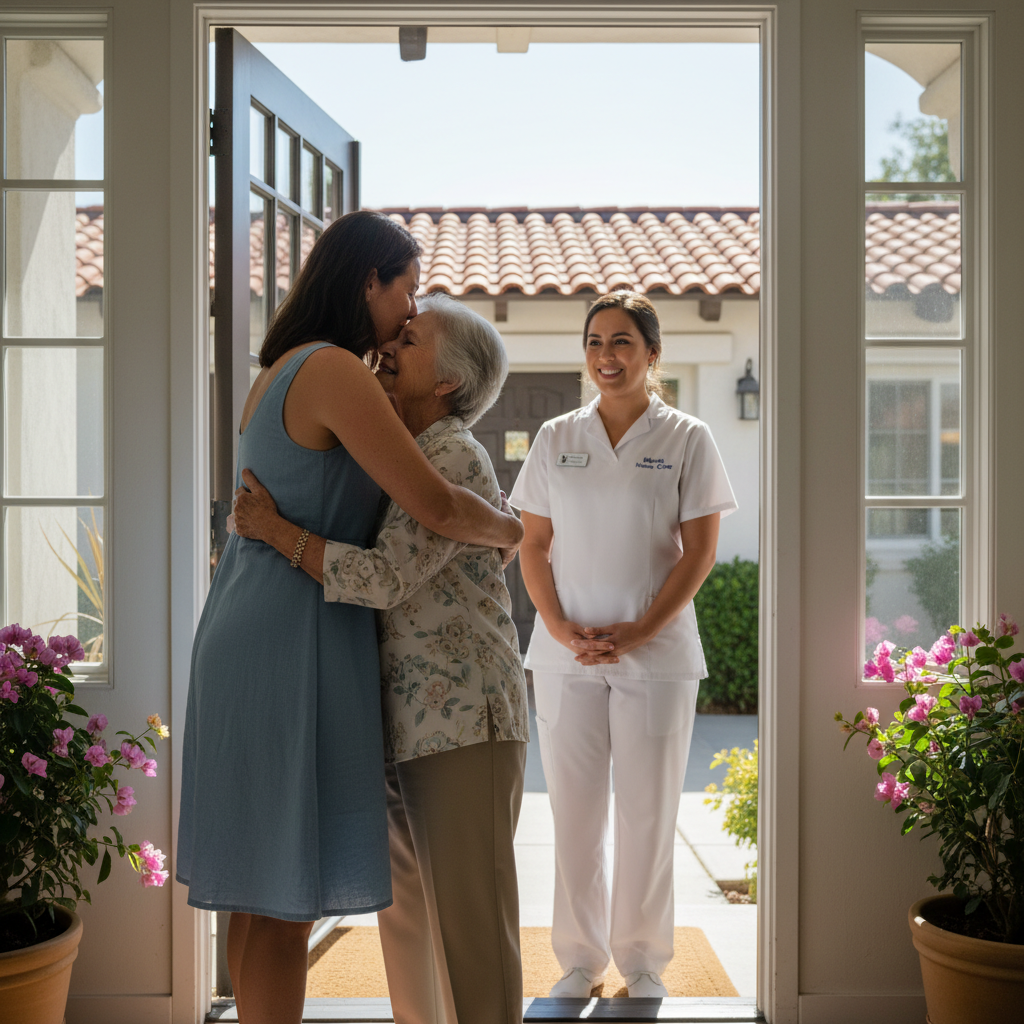
Respite Care: Essential Support for Family Caregivers
Family caregivers are the unsung heroes of elder care, providing countless hours of physical assistance, emotional support, and companionship to their aging loved ones. Yet caregiving—especially when it’s intensive or long-term—comes at a significant cost. The physical demands strain bodies, the emotional weight affects mental health, and the time commitment leaves little room for self-care, maintaining other relationships, or simply resting. Caregiver burnout is real, serious, and can have devastating health consequences.
Respite care acknowledges a fundamental truth: to care well for others, caregivers must also care for themselves. Our flexible respite services provide temporary relief for family caregivers, ensuring your loved one receives excellent care while you take the essential breaks you need to rest, recharge, and maintain your own wellbeing.
Understanding Caregiver Burnout
<a href="https://seniorhomecaregivers247.com/live-in-caregivers-vs-24-hour-caregivers-united-states-2026-4/”>Caregiving stress isn’t weakness—it’s a natural response to the enormous demands of helping someone with significant care needs. Research shows that family caregivers experience higher rates of depression, anxiety, chronic health problems, and compromised immune function compared to non-caregivers. The stress is particularly intense when caring for someone with dementia, managing complex medical needs, or providing care while juggling employment and raising children.
Warning signs of caregiver burnout include exhaustion despite adequate sleep, increased irritability or anger, social withdrawal, loss of interest in activities once enjoyed, frequent illness, anxiety, depression, and using food, alcohol, or medication to cope. Many caregivers feel guilty even considering taking time for themselves, but the reality is that respite isn’t selfish—it’s essential. Burned-out caregivers struggle to provide quality care, and their own health suffers.
Regular respite care prevents crisis situations where exhausted caregivers become ill themselves or reach a breaking point where they can no longer continue. By taking breaks before reaching exhaustion, caregivers maintain the physical and emotional reserves needed for sustainable, long-term caregiving.
Flexible Respite Options to Match Your Needs
Respite care is highly flexible and can be customized to your exact needs and schedule. Some families arrange regular respite on a predictable schedule—perhaps every Saturday afternoon, providing a consistent weekly break for self-care, errands, or social activities. Others use respite care more sporadically, calling when they need a break or have important commitments.
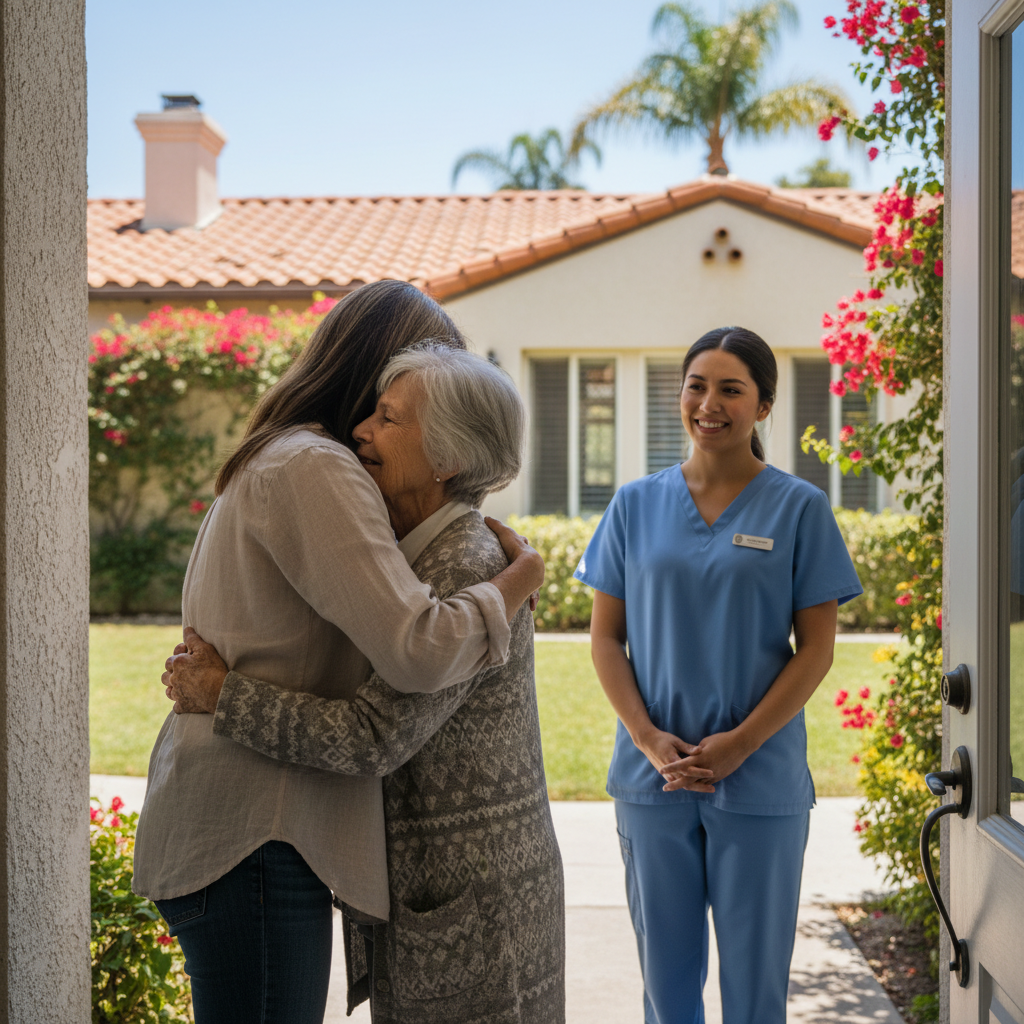
Short-term respite might mean a few hours so you can attend a medical appointment, have lunch with friends, or simply take a nap without worry. Daytime respite allows you to work, run errands, or engage in activities incompatible with caregiving responsibilities. Evening respite enables you to attend social events, go out to dinner, or enjoy hobbies you’ve had to sacrifice.
Extended respite—whether a weekend, a full week, or even longer—allows for more substantial breaks. This might enable you to take a vacation, visit distant family, attend an important event, or simply rest and recover from the cumulative exhaustion of caregiving. Some families use extended respite during particularly stressful periods: holidays, times of increased care needs, or when the caregiver themselves is recovering from illness or surgery.
Your Loved One Receives Excellent Care
A common concern preventing caregivers from seeking respite is worry about their loved one’s care and wellbeing during their absence. Will the respite caregiver understand their needs? Will they be frightened or confused? Will they be safe?
Our respite caregivers are experienced professionals who understand how to provide competent, compassionate care tailored to each individual’s needs. Before your respite period begins, we meet with you to understand your loved one’s routine, preferences, medical needs, and personality. We learn about medications, dietary requirements, mobility assistance needs, favorite activities, and anything else important to their care and comfort.
For individuals with dementia or those who become anxious with new people, we can arrange for the respite caregiver to visit a few times before your planned break, allowing your loved one to become familiar with them gradually. This eases the transition and reduces anxiety for both the care recipient and caregiver.
During your respite period, we maintain your loved one’s usual routines as much as possible, providing consistency and security. We also keep you updated with regular communication—whether brief text updates or phone calls—so you can truly relax knowing everything is going well.
More Than Just Basic Supervision
Respite care isn’t merely about keeping your loved one safe while you’re away. Our caregivers actively engage with care recipients, providing companionship, activities, meaningful conversation, and the same attentive care you would provide yourself. We prepare meals they enjoy, help with personal care needs, encourage physical activity, and offer emotional support.
For seniors with specific care needs—dementia, Parkinson’s disease, diabetes, mobility limitations—we match them with caregivers experienced in those conditions. Whether your loved one needs help with complex medication regimens, requires specialized dementia care techniques, or needs assistance with medical equipment, our respite caregivers have the training and experience to provide appropriate care.

Respite in Your Loved One’s Home or Yours
Respite care can be provided wherever your loved one is most comfortable. If they live in their own home, the respite caregiver comes to them, allowing them to remain in familiar surroundings with their belongings, pets, and established routines. If your loved one lives with you, respite care happens in your home, maintaining their routine while giving you freedom to leave the house without worry.
This in-home approach is particularly beneficial for seniors with dementia or those who become anxious in unfamiliar environments. It eliminates the stress and confusion that can come with temporary relocation to a facility for respite care.
Supporting the Whole Family
Respite care benefits everyone in the family system. When the primary caregiver is rested and less stressed, they interact more positively with their loved one. They have more patience, more emotional availability, and more energy for meaningful engagement rather than just task completion.
Respite also allows caregivers to maintain other important relationships. Marriages suffer when one partner is constantly exhausted from caregiving. Friendships fade when there’s never time for social connection. Children need attention from their parents even when a grandparent requires care. Regular respite makes it possible to nurture these relationships that matter.
For adult children caring for parents while raising their own families, respite provides essential time to attend their children’s activities, help with homework, or simply be present and engaged with their kids. For working caregivers, respite during business hours means less stress about splitting attention between job responsibilities and caregiving concerns.
Preventing Crisis and Enabling Sustainable Care
Many families reach out for help only after reaching a crisis point—when the primary caregiver is ill, emotionally depleted, or simply cannot continue. Respite care prevents these crises by supporting caregivers before they become overwhelmed.
Regular respite makes long-term home-based care sustainable. Without breaks, many caregivers eventually face the heartbreaking decision to move their loved one to a facility because they simply cannot continue. With appropriate respite support, family caregivers can often continue providing care at home much longer, honoring both the senior’s preference to remain home and the family’s desire to provide care themselves.
Reducing Guilt and Embracing Self-Care
Many caregivers struggle with guilt about taking time for themselves. They feel they should be able to handle everything, that taking a break means they’re failing or abandoning their loved one. Some worry what others will think or fear their loved one will feel hurt or rejected.
It’s crucial to reframe respite not as abandonment but as essential maintenance that enables you to continue providing care. Just as a car needs regular oil changes to keep running, caregivers need regular breaks to sustain their caregiving. Taking respite isn’t selfish—it’s responsible. It benefits everyone: you return refreshed and better able to provide quality care, and your loved one benefits from your improved wellbeing.
Most seniors, when they understand respite allows their family caregiver to continue caring for them long-term, support these breaks. They don’t want their care needs to destroy their loved one’s health and happiness. Framing respite as something that enables continued home-based care helps reduce guilt on both sides.
Easy to Arrange, No Long-Term Commitment
Respite care doesn’t require extensive planning or long-term commitments. When you need a break, contact us. We’ll arrange for an appropriate caregiver to provide coverage during your absence. If you need regular, recurring respite, we can establish a predictable schedule. If your needs are more sporadic, we can accommodate that too.
Some families start with occasional respite and gradually increase frequency as they recognize the benefits. Others begin with regular weekly respite from the start. There’s no right or wrong approach—only what works for your family’s needs and circumstances.

An Investment in Long-Term Wellbeing
Respite care is an investment in the wellbeing of both caregiver and care recipient. It preserves caregiver health, sustains family relationships, prevents burnout, and ultimately makes it possible for seniors to remain at home longer with better quality care. It acknowledges that caregiving, while meaningful and loving, is also demanding work that cannot be sustained without support.
You’ve dedicated yourself to caring for your loved one. Now let us care for you by providing the breaks you need to continue this important work without sacrificing your own health and happiness. Respite care isn’t a luxury—it’s an essential component of sustainable, healthy caregiving.
Senior Resources & Care Venues Across Greater LA
Use the map below to find senior centers, adult day-care programs, assisted-living communities, and senior-focused community events near Greater Los Angeles. Senior Home Care Givers 24/7 caregivers travel to all of these neighborhoods — many of our clients combine in-home care with day-program attendance for richer social engagement.
Drag the map to explore — or call (310) 269-1206 and a care coordinator will help you compare options near Greater Los Angeles.
Frequently Asked Questions
Q: How is respite care different from regular in-home senior care in Los Angeles?
Respite care is designed specifically to give family caregivers a planned break — whether for a few hours, a full day, or several weeks — while a professional steps in temporarily. Unlike ongoing home care that fully replaces the primary caregiver, respite care preserves the family’s central role. Caregivers serving Santa Monica, Beverly Hills, and Brentwood are licensed, bonded, insured, and background-checked. Scheduling is flexible: hourly, daily, or weekly, based on what the family needs at a given time.
Q: Does Medicare or Medi-Cal cover respite care costs for seniors in Los Angeles?
Medicare does not typically cover non-medical in-home respite care, though it may pay for short inpatient respite stays under a hospice benefit. Medi-Cal and IHSS (In-Home Supportive Services) may provide limited coverage for eligible seniors depending on assessed need and income. Out-of-pocket hourly rates in the Los Angeles area generally range from $25 to $40 per hour. A free in-home assessment can help clarify which funding options may apply to your situation. Call (310) 269-1206 for guidance specific to your case.
Q: Can I get emergency respite care in Los Angeles on the same day my family caregiver is suddenly unavailable?
Yes. Senior Home Care Givers 247 maintains 24/7 availability for same-day and emergency respite requests across Los Angeles, including Burbank, Studio City, Westwood, and Pacific Palisades. If a family caregiver is unexpectedly ill, called away, or otherwise unavailable, a background-checked, insured caregiver can typically be placed within hours. Call (310) 269-1206 at any time to request emergency coverage. We keep a roster of on-call caregivers specifically to handle short-notice situations without requiring advance scheduling.
Q: How will a respite caregiver know how to handle my parent’s specific daily routine and medical needs?
Before any respite placement, we conduct a free in-home assessment to document your parent’s daily routine, medications, mobility level, cognitive status, and behavioral considerations. That information is provided to the assigned caregiver before the first visit. All caregivers serving areas such as Brentwood, Beverly Hills, and Santa Monica are licensed, bonded, insured, and thoroughly background-checked. For seniors with dementia or complex medical needs, we match caregivers who have relevant specialized training and direct experience with those conditions.
Q: How far in advance do I need to book respite care in Los Angeles, and can you cover a two-week family vacation?
Planned respite care should be booked at least 48 to 72 hours in advance to allow time for a proper caregiver match, though same-day requests are accepted when availability permits. For vacations or extended trips, we provide continuous respite coverage from a few days up to several weeks, with consistent caregiver assignments where possible to minimize disruption for your loved one. Coverage extends throughout Los Angeles, including Pacific Palisades, Studio City, and Burbank. Call (310) 269-1206 to confirm availability for your specific dates.