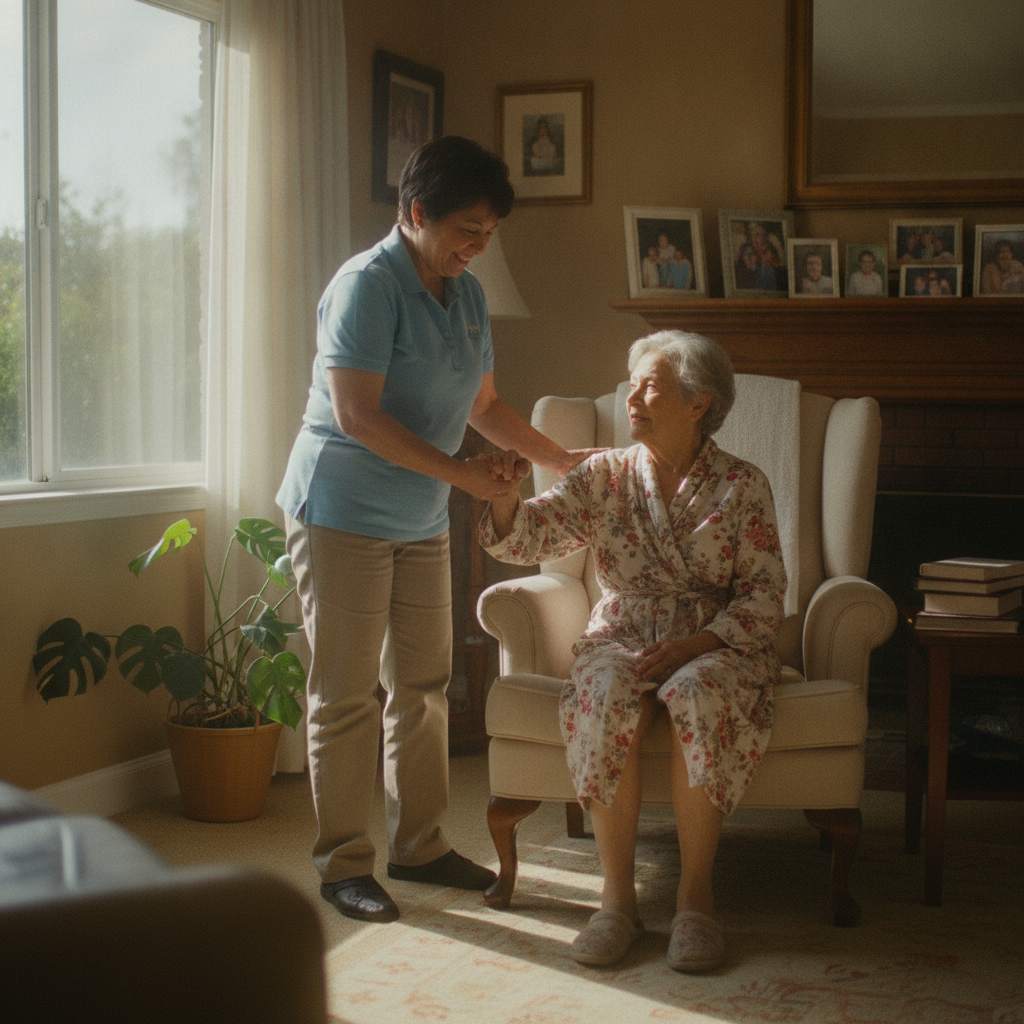
Respite Care: Giving Family Caregivers a Much-Needed Break
Family caregiving can be an incredibly rewarding but also exhausting responsibility. Whether you’re caring for an aging parent, a spouse with a chronic illness, or a child with special needs, the demands can be relentless. The physical tasks, emotional toll, and constant attention required can lead to burnout, health problems, and decreased quality of life. This is where respite care comes in as a vital and life-changing resource that many families don’t know about or fully understand.
What is Respite Care?
Respite care is a short-term care service that provides a temporary break for primary caregivers. The word “respite” itself means a short pause or break, and that’s exactly what this service provides. It allows family members to take time off for rest, personal appointments, errands, work commitments, or simply to recharge their emotional and physical batteries. During this time, a trained caregiver or facility takes over the care responsibilities, ensuring that your loved one receives quality care while you get the break you desperately need.
Respite care is designed specifically for family caregivers who are providing unpaid care to loved ones. It recognizes the enormous contribution that family caregivers make to our healthcare system and society at large. By offering periodic breaks, respite care helps maintain the sustainability of family caregiving arrangements. Many families find that regular respite care allows them to continue caregiving for much longer than they otherwise could.
The care provided during respite periods can range from basic supervision and companionship to skilled nursing care and specialized support for specific medical conditions. The type of respite care you choose depends on your loved one’s needs, your preferences, and the availability of services in your area.
The Hidden Crisis of Caregiver Burnout
Many family caregivers feel guilty about taking time for themselves, but respite care is essential for maintaining your health and well-being. Continuous caregiving without breaks can lead to caregiver burnout, a state of physical, emotional, and mental exhaustion that affects millions of American family caregivers. Burnout can result in depression, anxiety, weakened immunity, and increased susceptibility to illness.
Studies have shown that family caregivers have higher rates of depression and anxiety compared to the general population. Some research indicates that caregivers who experience high levels of stress have a 63 percent higher risk of mortality than non-caregivers. The physical demands of caregiving—lifting, helping with toileting, bathing, and other personal care tasks—can lead to chronic pain, injury, and exhaustion.
Beyond the physical toll, the emotional and psychological impact can be profound. Caregivers often experience grief, guilt, isolation, and loss of identity as their entire life becomes focused on their caregiving role. They may feel responsible for every aspect of their loved one’s care and worry constantly about whether they’re doing enough or doing things right.
Taking regular breaks through respite care can significantly improve your quality of life and your ability to provide quality care to your loved one. When you’re rested and mentally refreshed, you’re better equipped to handle the challenges of caregiving with patience and compassion. Respite care isn’t selfish—it’s essential self-care that ultimately benefits both you and the person you’re caring for.
The Comprehensive Benefits of Respite Care
The benefits of respite care extend far beyond just giving caregivers a break. They include multiple dimensions of physical, mental, emotional, and practical improvements:
- Reduces caregiver burnout and stress: Regular breaks help prevent the exhaustion and stress that comes with continuous caregiving responsibilities. Even a few hours of respite can provide significant relief and perspective.
- Improves mental and physical health of caregivers: Time for self-care, exercise, social activities, and rest can significantly improve a caregiver’s overall health and well-being. Many caregivers report better sleep, lower blood pressure, and improved mood after using respite services.
- Provides professional care for your loved one: Your loved one receives care from trained professionals who have specific expertise in caring for their condition. This ensures they receive quality, knowledgeable care while you’re away.
- Allows caregivers to maintain work and social relationships: Respite care enables you to keep your job, maintain friendships, and participate in activities that are important to you. This helps prevent the social isolation that many caregivers experience.
- Provides quality time for family relationships: When you’re not exhausted, you can enjoy better quality interactions with your loved one and other family members. Parents can spend more time with their children, spouses can reconnect with each other, and adult children can maintain relationships with siblings.
- Increases longevity of caregiving arrangement: Many family caregiving relationships can continue longer because respite care prevents caregiver burnout and breakdown. This allows your loved one to remain in their family and home environment longer.
- Provides peace of mind: Knowing your loved one is in good hands allows you to truly relax during your break without constant worry or guilt.
- Maintains caregiver independence: Respite care allows you to handle personal business, medical appointments, and other responsibilities that are difficult to manage while providing constant care.
Understanding Different Types of Respite Care
Respite care can be provided in various settings and formats, allowing you to choose what works best for your situation and your loved one’s needs:
In-Home Respite Care
A trained caregiver comes to your home to care for your loved one while you’re away. This option minimizes disruption and allows your loved one to remain in their familiar environment. In-home respite care is ideal for people who are anxious about change, who have dementia, or who have complex care needs. Caregivers can provide anything from companionship and supervision to assistance with activities of daily living and medication management.
Adult Day Programs
These programs provide daytime supervision, activities, meals, and sometimes medical care in a community setting. They typically operate during business hours and offer social engagement and mental stimulation for your loved one while giving you a break. Many programs specialize in serving people with dementia or specific medical conditions and offer evidence-based activities that promote cognitive and physical health.
Short-Term Facility Care
This involves temporary placement in a nursing home, assisted living facility, or other residential setting for a few days to several weeks. This option is useful when you need an extended break or when your loved one needs more intensive care than can be provided at home. Some facilities specifically market themselves as offering respite care and understand the unique needs of both patients and their family caregivers.
Overnight Respite Care
A caregiver stays overnight in your home so you can have uninterrupted sleep. This is particularly valuable for caregivers whose loved ones require nighttime supervision or care or who experience nighttime wandering, incontinence, or other issues.
Weekend Programs
Many communities offer weekend respite care programs specifically designed to give caregivers a break from their week-long duties. These programs often include recreational and social activities.
Finding Respite Care Services in Your Community
Several resources can help you find respite care services in your area. The Eldercare Locator, operated by the Administration for Community Living, is a national service that can direct you to local resources. Your local Area Agency on Aging can also provide information about available services and can help you navigate the application process.
Other valuable resources include disease-specific organizations such as the Alzheimer’s Association, which often maintains lists of respite care providers in your community and can provide guidance specific to your situation. Your healthcare provider, social worker, or hospital discharge planner can also provide recommendations based on your loved one’s specific needs.
Many communities also have local caregiver support groups where members can share information about respite care options and recommendations. Word-of-mouth recommendations from other caregivers can be invaluable in finding trustworthy services.
Understanding Respite Care Costs and Funding
Cost is often a significant concern for families considering respite care. However, several funding options may be available to help pay for these essential services. Medicare Part A covers respite care in some circumstances for hospice patients. Medicaid covers respite care in many states, though eligibility and services vary significantly by state.
The Veterans Administration provides respite care services for eligible veterans and their families. Some private insurance plans cover respite care, and many non-profit organizations offer funding or subsidized respite care services. Additionally, some employers offer employee assistance programs that can help pay for respite care for employees who are caregivers.
Preparing for Respite Care
When you first arrange respite care, it’s important to properly prepare both your loved one and yourself. Make sure the caregiver has detailed instructions about your loved one’s routines, preferences, medications, and any special needs. Introduce your loved one to the caregiver gradually if possible, so they become comfortable with this new person.
Prepare written information about your loved one’s habits, likes and dislikes, daily schedule, and any behavioral issues that might arise. Create emergency contact information and authorization forms that allow the caregiver to make decisions in case of emergency. Most importantly, allow yourself to actually relax during your break—don’t spend it worrying about things at home.
Conclusion
Respite care is not a luxury but a necessity for family caregivers. It’s a vital service that recognizes and supports the incredible work that family members do every day. By taking advantage of respite care, you’re not abandoning your caregiving responsibilities—you’re ensuring that you can continue to provide quality care for your loved one while also taking care of yourself. Your health and well-being matter, and respite care makes it possible to maintain both. If you’re a family caregiver, reach out to your local resources to learn more about what respite care options are available to you.
Need Home Care in West LA?
Free, no-obligation care assessment. 24/7 availability. Care can start within days.